The spread of wars, intensifying technological competition and the increasing use of trade as an instrument of pressure have expanded disagreements among major powers to an unprecedented extent. Nevertheless, economic interdependence and the staggering costs of direct confrontation have made maintaining channels of dialogue indispensable.
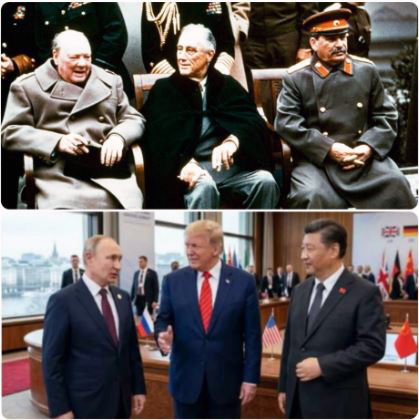
ISNA – The trilateral meeting between Donald Trump, Xi Jinping and Vladimir Putin is taking place against precisely this backdrop, at a historic juncture when Washington is struggling to preserve its hegemony, while Beijing and Moscow are openly seeking a greater role in shaping the architecture of the emerging world order.
The meeting, scheduled on the sidelines of the Asia-Pacific Economic Cooperation (APEC) summit, provides an opportunity to assess the extent of possible understanding among these three powers, whose path toward accommodation runs through conflicting interests and, at times, contradictory commitments.
Diplomatic activities ahead of the summit have clearly exposed the dividing lines.
The meeting between Xi and Putin in Shenzhen, where they emphasized advancing a multipolar world, sent a clear message of growing convergence in the East.
On the other side, Trump traveled to Manila and met with Philippine President Ferdinand Marcos Jr., underscoring the importance of building networks and preserving America’s traditional alliances in Asia.
In effect, each side has been demonstrating the leverage underpinning its negotiating position before taking a seat at the same table.
Beijing and Moscow are showcasing their strategic coordination, while Washington is reminding its rivals of its military and political presence within its network of Asian allies.
For Beijing, hosting the trilateral summit represents an exceptional opportunity to bring its enormous economic weight into closer alignment with its political influence.
Bringing together the leaders of two powers that have found themselves in direct confrontation over some of the world’s most critical security issues strengthens China’s position as a global agenda-setter, even if the meeting produces no groundbreaking agreement.
The selection of Shenzhen, a symbol of China’s industrial development and technological innovation, is no coincidence.
Through this choice, Beijing intends to demonstrate that its economic and technological capabilities translate directly into greater influence over the international political agenda.
For countries without a seat at the negotiating table, however, the looming prospect of a “New Yalta” is deeply unsettling.
Iran, Ukraine and European capitals fear that critical security decisions could be dictated without their presence or participation.
Ultimately, the Shenzhen summit, taking place in this international atmosphere, represents an arena for testing the extent of possible understanding and measuring the limits of each rival’s willingness to compromise.
Even if the summit ends without an agreement on a successor to New START, the window for diplomacy on other issues will not necessarily close.
The meeting may produce temporary and limited agreements, but such outcomes would by no means signal an end to the strategic competition over influence and the rules governing the international system.
نشست سهجانبه ترامپ، پوتین و شی: یک یالتایی جدید؟
گسترش جنگها، تشدید رقابتهای فناورانه و استفاده فزاینده از تجارت به عنوان ابزاری برای اعمال فشار، دامنه اختلافات میان قدرتهای بزرگ را به شکلی بیسابقه گسترش داده است. با این حال، وابستگی متقابل اقتصادی و هزینههای سرسامآور رویارویی مستقیم، حفظ کانالهای گفتگو را به امری اجتنابناپذیر تبدیل کرده است.
ایسنا – نشست سهجانبه میان دونالد ترامپ، شی جینپینگ و ولادیمیر پوتین دقیقاً در چنین فضایی برگزار میشود؛ در مقطعی تاریخی که واشنگتن برای حفظ هژمونی (سلطه) خود تقلا میکند، در حالی که پکن و مسکو آشکارا به دنبال ایفای نقشی پررنگتر در شکلدهی به ساختار نظم جهانیِ در حال ظهور هستند.
این دیدار که در حاشیه اجلاس «همکاری اقتصادی آسیا-اقیانوس آرام» (APEC) برنامهریزی شده، فرصتی را برای سنجش میزان تفاهم احتمالی میان این سه قدرت فراهم میکند؛ قدرتهایی که مسیرشان به سوی نوعی سازش، از میان منافع متعارض و گاه تعهدات متناقض میگذرد.
تحرکات دیپلماتیک پیش از برگزاری این نشست، خطکشیها و شکافهای موجود را به وضوح آشکار کرده است.
دیدار شی و پوتین در شنژن – که در آن بر پیشبرد جهانی چندقطبی تأکید کردند – پیام روشنی از همگراییِ رو به رشد در شرق مخابره کرد.
در سوی دیگر، ترامپ به مانیل سفر کرد و با فردیناند مارکوس جونیور، رئیسجمهور فیلیپین، دیدار داشت؛ اقدامی که بر اهمیت ایجاد شبکهها و حفظ اتحادهای سنتی آمریکا در آسیا تأکید میورزید.
در واقع، هر یک از طرفین پیش از نشستن بر سر یک میز، در حال به نمایش گذاشتن اهرمهای قدرتِ پشتیبانِ موضع مذاکراتی خود بودهاند.
پکن و مسکو هماهنگی راهبردی خود را به رخ میکشند، در حالی که واشنگتن حضور نظامی و سیاسیاش را در میان شبکه متحدان آسیایی خود به رقبایش یادآوری میکند.
برای پکن، میزبانی این نشست سهجانبه فرصتی استثنایی است تا وزن عظیم اقتصادی خود را با نفوذ سیاسیاش همراستا و همسو سازد.
گردهم آوردن رهبران دو قدرتی که بر سر برخی از حیاتیترین مسائل امنیتی جهان در تقابل مستقیم با یکدیگر قرار دارند، جایگاه چین را به عنوان تعیینکننده دستورکار جهانی تقویت میکند؛ حتی اگر این نشست به توافق چشمگیر و تحولآفرینی منجر نشود.
انتخاب شهر شنژن – که نمادی از توسعه صنعتی و نوآوریهای فناورانه چین است – تصادفی نیست.
پکن با این انتخاب قصد دارد نشان دهد که توانمندیهای اقتصادی و فناورانهاش مستقیماً به نفوذ بیشتر بر دستورکار سیاسی بینالمللی ترجمه میشود. با این حال، برای کشورهایی که در میز مذاکره جایی ندارند، چشمانداز قریبالوقوع «یالتای جدید» عمیقاً نگرانکننده است.
ایران، اوکراین و پایتختهای اروپایی نگرانند که تصمیمات امنیتی حیاتی بدون حضور یا مشارکت آنها دیکته شود.
در نهایت، اجلاس شنژن که در این فضای بینالمللی برگزار میشود، عرصهای برای آزمایش میزان تفاهم ممکن و سنجش محدودیتهای تمایل هر رقیب برای مصالحه است.
حتی اگر این اجلاس بدون توافق بر سر جانشینی برای استارت جدید به پایان برسد، دریچه دیپلماسی در مورد سایر مسائل لزوماً بسته نخواهد شد.
این جلسه ممکن است به توافقات موقت و محدودی منجر شود، اما چنین نتایجی به هیچ وجه نشانهای از پایان رقابت استراتژیک بر سر نفوذ و قوانین حاکم بر نظام بینالملل نیست.
https://baranpress.ir/?p=12976