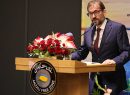
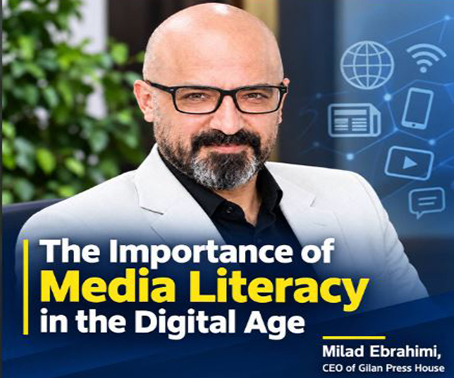
UNESCO has designated October 24 to 30 as Media and Information Literacy Week and selected the slogan: “we are play a part: Media and Information Literacy for People.” On this occasion, Milad Ebrahimi, CEO of Gilan Press House, has written an article highlighting the importance of media literacy.
According to Baran Press, Ebrahimi wrote in his article: Media literacy is one of the most important skills in today’s digital world. Every day, people are exposed to vast amounts of information through television, newspapers, websites, and social media platforms. However, not all of this information is accurate, reliable, or unbiased.
This is where the importance and necessity of media literacy become particularly evident. Media literacy helps individuals better understand and analyze media messages, evaluate their credibility, and distinguish between facts, personal opinions, and misinformation.
In the age of social media, fake news and misleading information spread rapidly and can significantly influence public opinion. Under these circumstances, it is essential to think critically before accepting or sharing a news story and to pay close attention to the source from which it originates.
In fact, media literacy enables us to verify the accuracy of information, recognize potential biases, and consider the purpose behind the publication of each media message. These skills contribute to informed decision-making and help prevent us from unintentionally contributing to the spread of misinformation.
Ultimately, media literacy is not limited to understanding how media works; it is also closely linked to social responsibility. People with strong media literacy skills are better equipped to resist attempts to manipulate public opinion, accept diverse perspectives, and participate more effectively in social life.
For this reason, media literacy education, raising public awareness, and promoting responsible journalism are essential to building a more informed, critical, and resilient society that is better prepared to confront misinformation.
اهمیت سواد رسانه ای در عصر دیجیتال
میلاد ابراهیمی
مدیرعامل خانه مطبوعات گیلان
یونسکو دوم تا هشتم آبان را به عنوان هفته سواد رسانهای اعلام کرد و این شعار را برای آن برگزید؛ «همه ما نقش داریم؛ سواد رسانهای و اطلاعاتی برای مردم». از همین رو میلاد ابراهیمی مدیرعامل خانه مطبوعات گیلان در یادداشتی به اهمیت موضوع سواد رسانهای پرداخت.
به گزارش باران پرس، ابراهیمی در این یادداشت آورده است؛ سواد رسانهای یکی از مهمترین مهارتها در دنیای دیجیتال امروز است. مردم هر روز از طریق تلویزیون، روزنامهها، وبسایتها و شبکههای اجتماعی با حجم زیادی از اطلاعات روبهرو میشوند؛ اما همه این اطلاعات دقیق، قابل اعتماد یا بیطرفانه نیستند.
اینجاست که به اهمیت و ضرورت سواد رسانهای بابد توجه بیشتری داشته باشیم، چرا که داشتن سواد رسانه ای، به افراد کمک میکند پیامهای رسانهای را بهتر درک و تحلیل کنند، اعتبار آنها را بسنجند و میان واقعیت، نظر شخصی و اطلاعات نادرست تفاوت قائل شوند.
در عصر شبکههای اجتماعی، اخبار جعلی و اطلاعات گمراهکننده بهسرعت منتشر میشوند و میتوانند بر افکار عمومی تأثیر بگذارند. در چنین شرایطی، مهم است که پیش از پذیرفتن یا بازنشر یک خبر، درباره درستی آن فکر کنیم و به منبع انتشارش توجه داشته باشیم.
در حقیقت سواد رسانهای به ما کمک میکند صحت اطلاعات را بررسی کنیم، سوگیریهای احتمالی را بشناسیم و به این موضوع توجه کنیم که هر پیام رسانهای با چه هدفی منتشر شده است. این مهارتها به تصمیمگیری آگاهانه کمک میکنند و مانع از آن میشوند که ناخواسته به انتشار اطلاعات نادرست دامن بزنیم.
درنهایت، سواد رسانهای فقط به شناخت رسانهها محدود نمیشود؛ بلکه با مسئولیتپذیری اجتماعی نیز ارتباط دارد. افرادی که از سواد رسانهای برخوردارند، بهتر میتوانند در برابر دستکاری افکار عمومی مقاومت کنند، دیدگاههای متفاوت را بپذیرند و در زندگی اجتماعی مشارکت مؤثرتری داشته باشند.
به همین دلیل، آموزش سواد رسانهای، افزایش آگاهی عمومی و توجه به روزنامهنگاری مسئولانه، از ضرورتهای شکلگیری جامعهای آگاهتر، نقادتر و مقاومتر در برابر اطلاعات نادرست است.
https://baranpress.ir/?p=12961